

In August 2024, Global News and researchers at First Nations University of Canada published an in-depth investigation into the federal Procurement Strategy for Indigenous Business (PSIB). The investigation found that for many years the program relied largely on self-declaration to confirm Indigenous ownership, leaving room for misuse. LaFlesche co-founders Thawennontie Thomas and Leo Hurtubise were among the Indigenous business leaders interviewed.
It’s a hard truth, and an important conversation. We’re glad it’s happening, because getting verification right is what makes Indigenous procurement work for everyone.
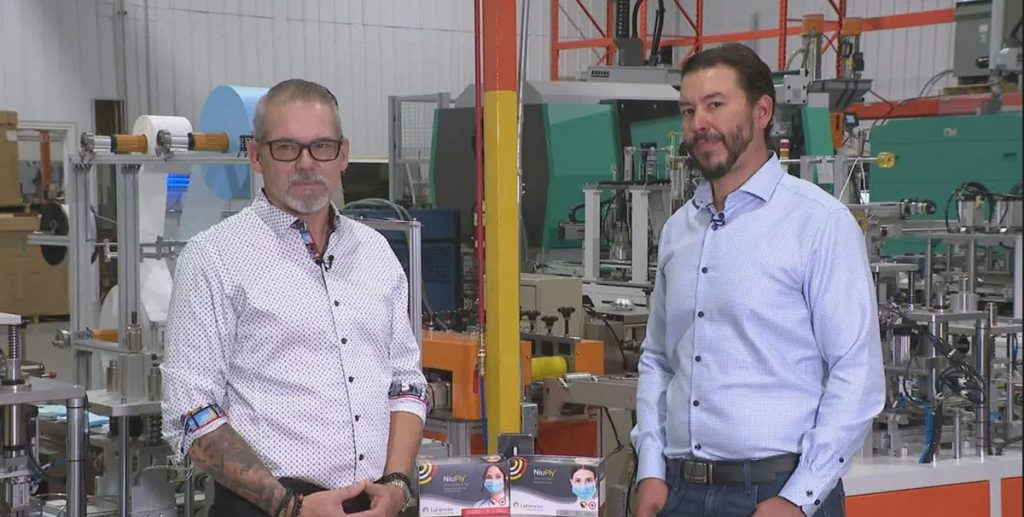
Thawennontie Thomas (left) and Leo Hurtubise, president and vice president of LaFlesche.
A program that’s making a real difference
The scale of opportunity is real. According to federal reporting cited in the investigation, contracts awarded to Indigenous businesses grew from about $100 million in 2018 to $1.6 billion in 2022–2023, surpassing the government’s 5% target. That’s meaningful economic participation, and it’s opening doors for Indigenous-owned companies in sectors like defence and aerospace.
What the investigation found
Before 2022, businesses could often join the PSIB by signing an attestation rather than providing documentation. The investigation reported concerns about non-Indigenous companies using Indigenous partners in name only to access set-aside contracts. Indigenous Services Canada (ISC) has since required documentation from new applicants, is reviewing the businesses in the Indigenous Business Directory, and is working with First Nations, Métis and Inuit leaders to transfer control of the directory to Indigenous organizations.
Why stronger verification is good news
For buyers, verification means confidence. When you partner with a certified Indigenous supplier, you want to know your contract supports genuine Indigenous ownership and community benefit.
For Indigenous businesses, it protects the opportunities the program was built to create. As Leo Hurtubise told Global News, the PSIB is a program that could uplift many Indigenous communities, and that’s exactly why it’s worth protecting.
Our commitment
LaFlesche is a CCIB-certified Indigenous-owned manufacturer based in Kahnawà:ke, Quebec. We’re proud of our roots, and we earn our contracts the same way any top supplier does: with precision CNC machining, injection molding and engineering that meet the standards of the defence, aerospace and medical industries.
We welcome a procurement system that verifies, measures results and puts Indigenous communities at the centre. We’ll keep contributing to that conversation as members of the Indigenous business and defence communities, because when Indigenous procurement works as intended, Canadian industry gets stronger.
Read the full investigation on Global News, and learn how the investigation unfolded.


More articles that might interest you
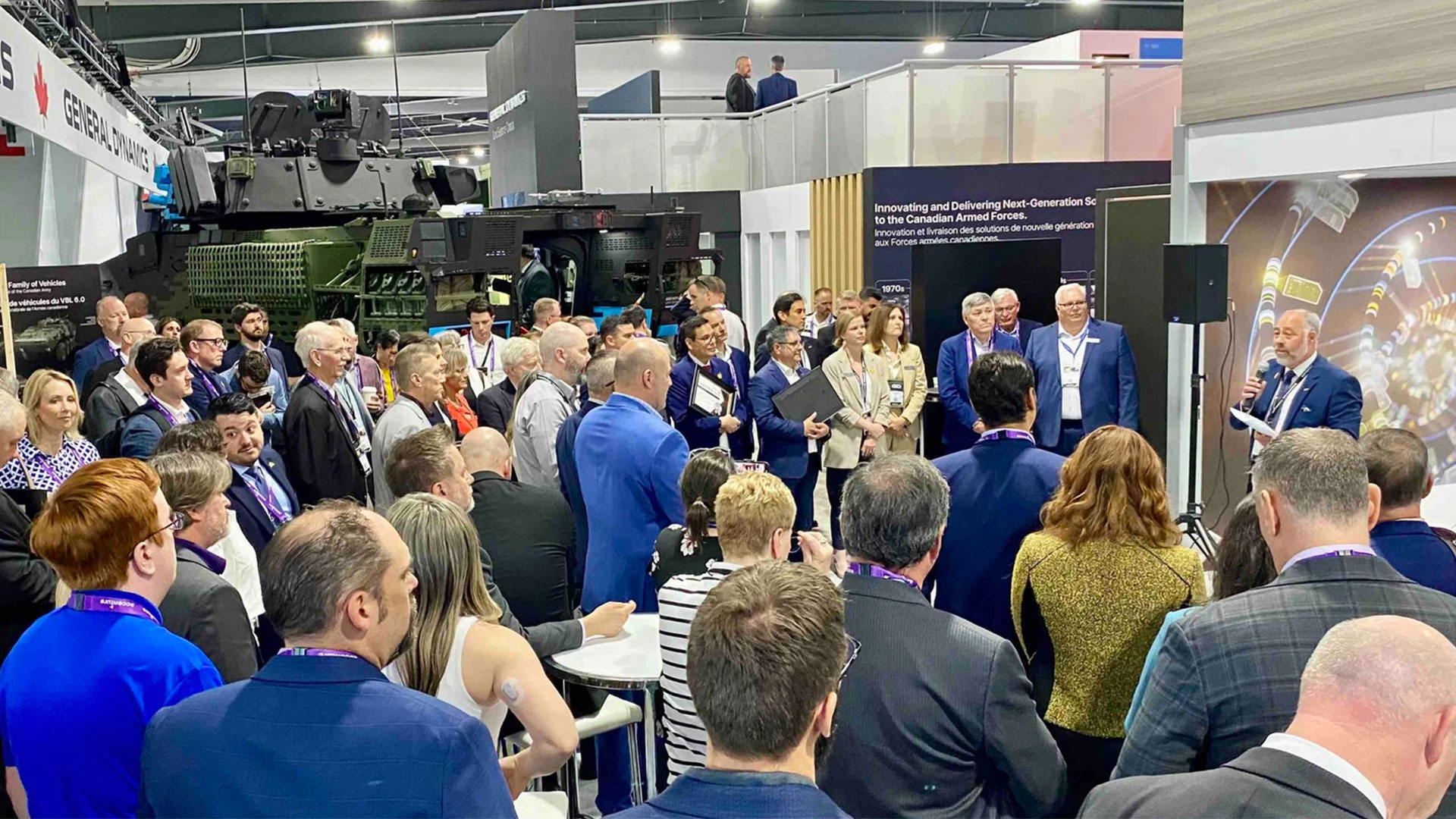
Indigenous Reconciliation Program: LaFlesche receives a grant from the DND for Indigenous reconciliation and participation in CANSEC 2024
LaFlesche is thrilled to announce we were recently awarded a prestigious grant from the Department of National Defense's Indigenous Reconciliation… Read More...

LaFlesche Joins Defense Industry Advisory Group to Advance Indigenous Interests
LaFlesche proudly announces its inclusion in the Defense Industry Advisory Group (DIAG), a strategic initiative aimed at advancing Indigenous interests… Read More...
LaFlesche Chosen as First Participants in Indigenous Business Defense Sector Accelerator
Kahnawà:ke, Quebec, Sept. 26th, 2023 - The Council for Aboriginal Business (CCAB) recently announced the Indigenous companies selected to participate… Read More...


